
Wiring & Rewiring in Cheyenne, WY
Your home’s wiring carries power safely to every room, outlet, and switch. When it’s old, damaged, or overloaded, it becomes a fire risk instead of a convenience. Electricians Cheyenne provides wiring and rewiring services for homes, businesses, and industrial sites across Cheyenne and Laramie County.
What Is Electrical Rewiring?
Rewiring means replacing your home’s old or damaged wiring with new wiring that meets current safety standards. It’s different from a small repair, like fixing one bad outlet.
A full rewire usually covers your whole home. A partial rewire targets specific rooms or circuits, often during a remodel or addition.
Either way, the goal is the same: wiring that carries power safely and supports how you actually use electricity today.
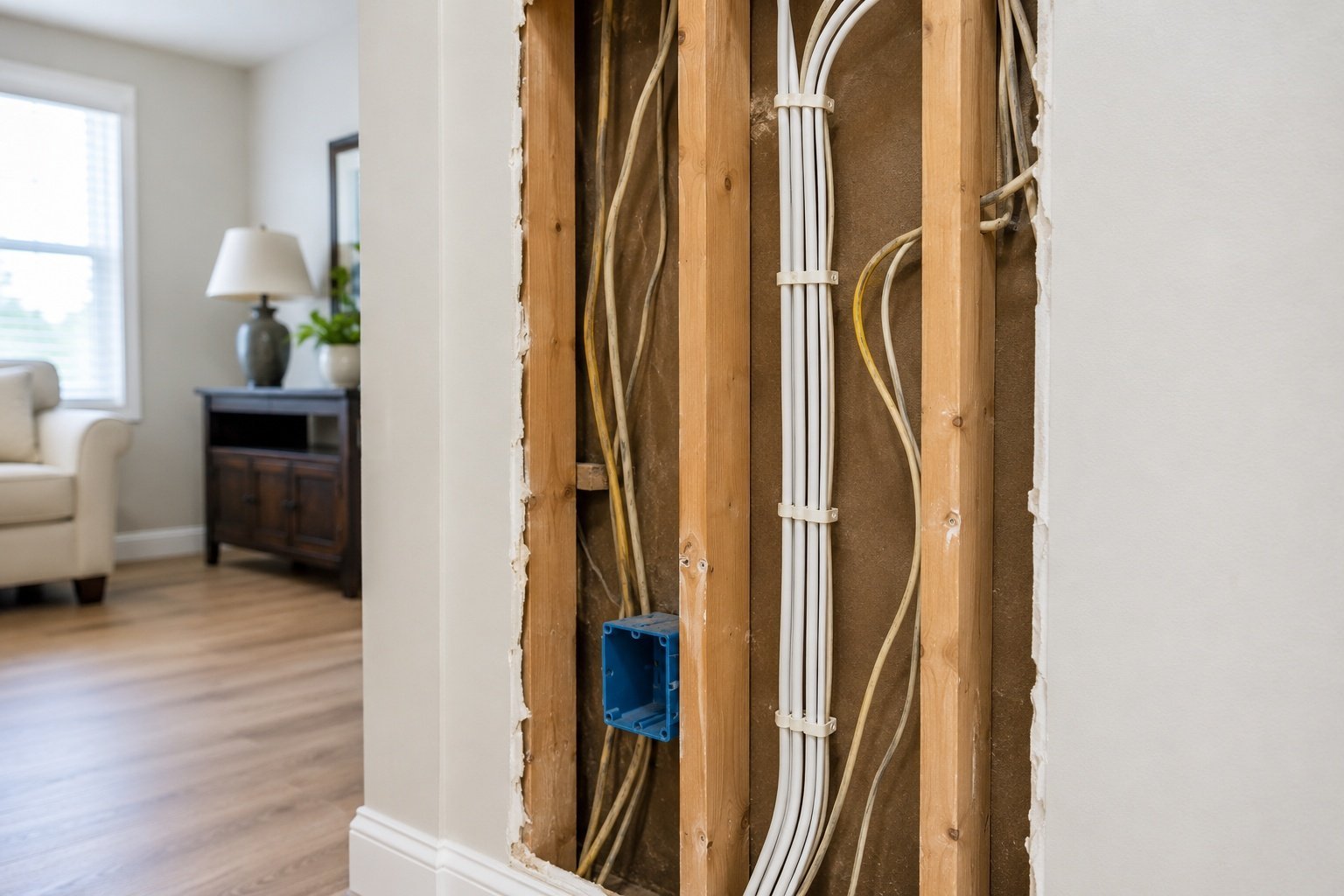
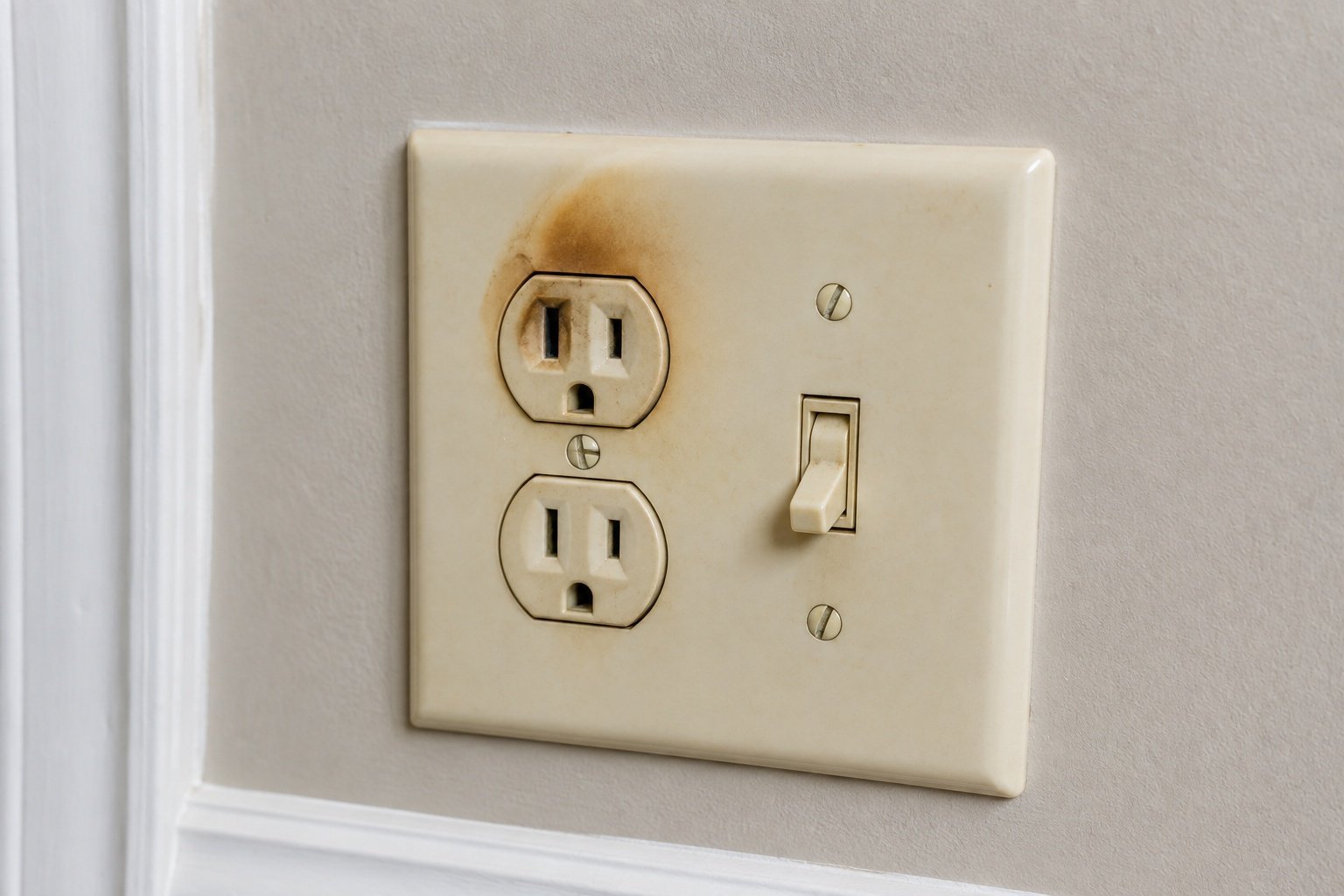
Signs Your Home Needs Rewiring
The following signs point to a wiring problem. An electrician should inspect your home to confirm what’s actually going on.
- Frequent breaker trips, especially with no clear cause
- Flickering or dimming lights, particularly across multiple rooms
- Warm or discolored outlets and switch plates
- A burning smell with no obvious source
- Sparks when plugging in or unplugging devices
- Outlets with only two prongs instead of three
- Visible knob-and-tube or cloth-insulated wiring
- Frequent extension cord or power strip use because there aren’t enough outlets
Burning smells, sparks, or scorched outlets are urgent. Call us right away if you notice any of these.
Residential Wiring & Rewiring in Cheyenne
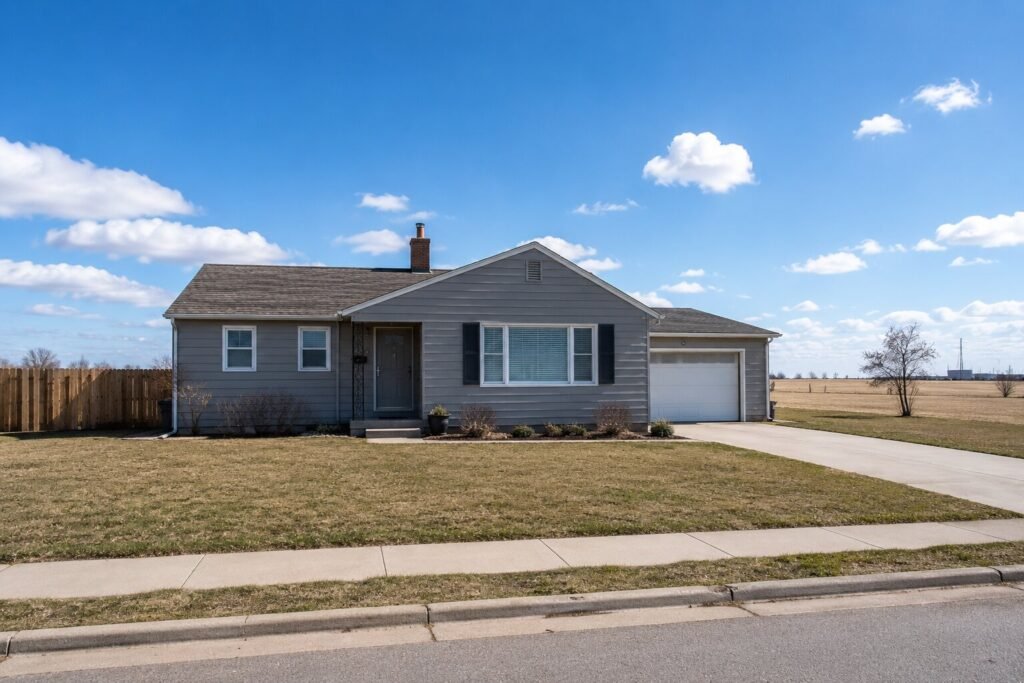
Most of our rewiring calls come from homeowners with older houses. Many homes near Historic Cheyenne and the South Side Historic District still have their original wiring.
That wiring may have been safe when it was installed. Decades later, it often can’t handle modern appliances, electronics, and the number of devices in a typical home.
Homes in newer neighborhoods like Saddle Ridge and Western Hills usually need rewiring for a different reason. Additions, remodels, and finished basements often need new circuits.
Whatever the age of your home, we evaluate your current wiring and recommend what actually needs replacing, not more than that.
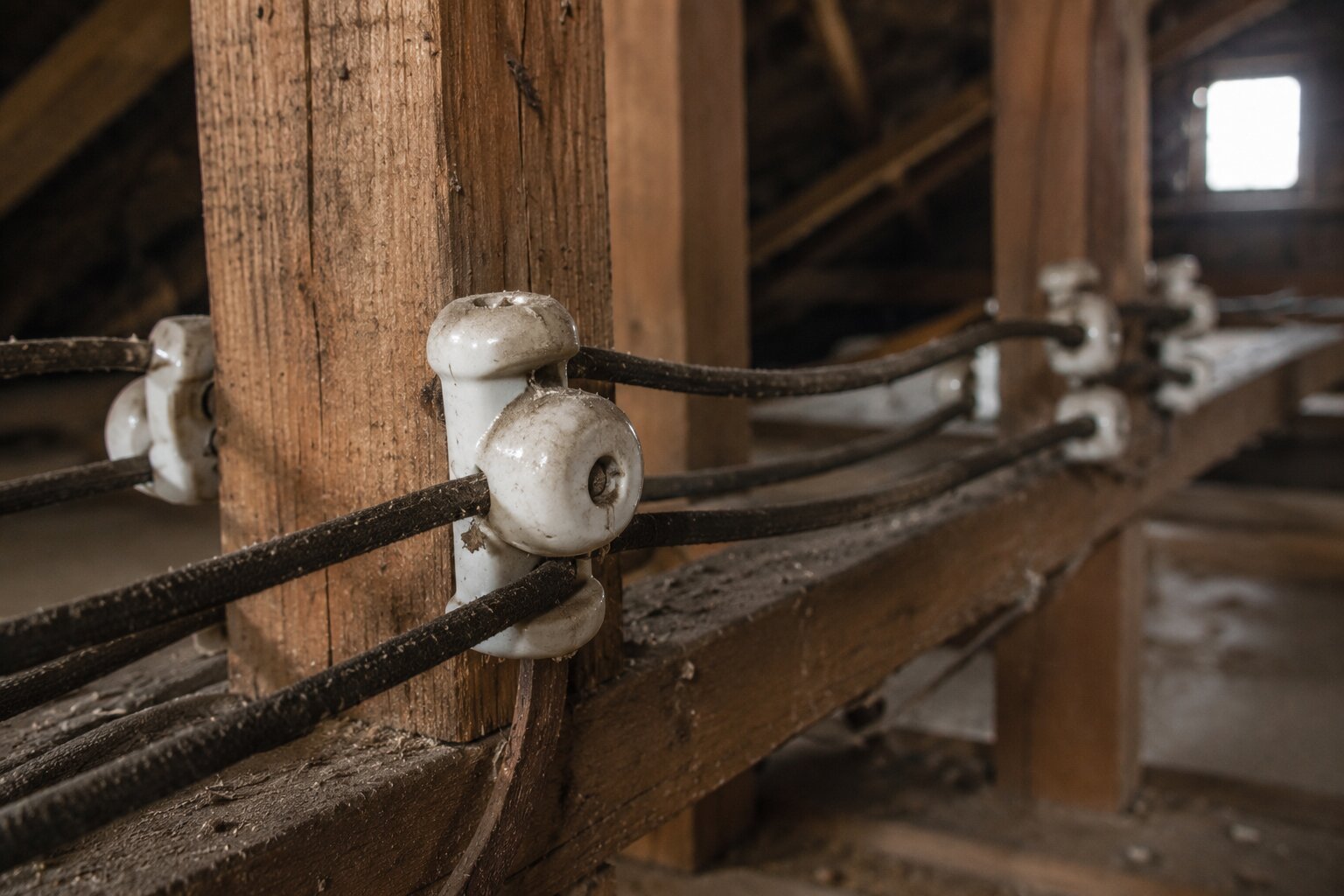
Knob-and-Tube and Old Wiring
Knob-and-tube wiring was common in homes built before the 1950s. It used ceramic knobs and tubes to run wires through walls and framing.
This wiring wasn’t designed for modern electrical loads, and it lacks a ground wire. Over time, the insulation can also become brittle and unsafe.
Many insurance companies won’t cover homes with active knob-and-tube wiring, or they charge more for coverage. Replacing it can also make it easier to get insurance for your home.
If your home was built decades ago and hasn’t been rewired, it’s worth having an electrician check for knob-and-tube wiring.
New Construction Wiring
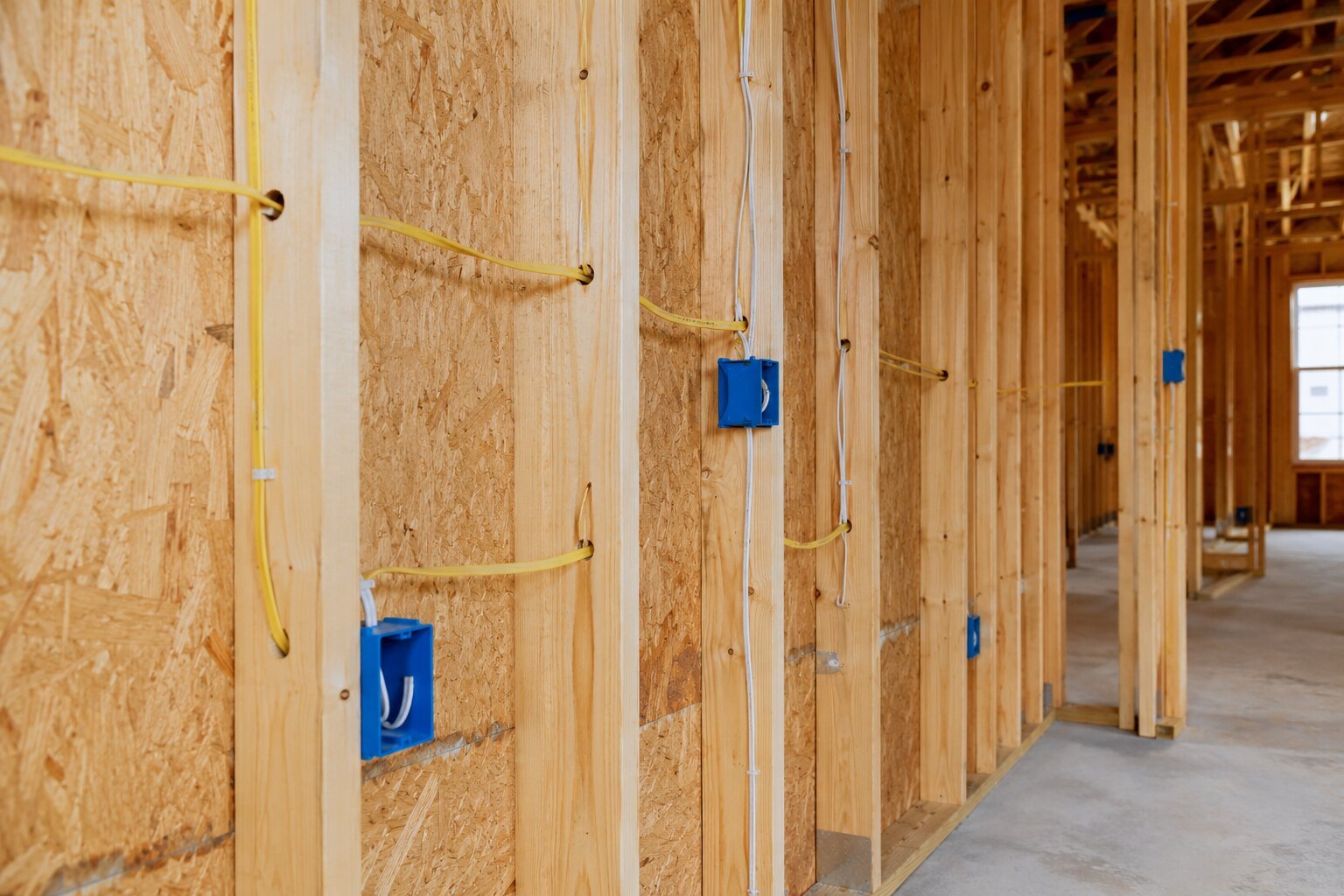
New construction wiring is different from rewiring an existing home. There are no walls to work around yet, so we run wiring during the framing stage, before drywall goes up.
This includes wiring for outlets, switches, lighting, and any dedicated circuits your new home or addition needs.
Because everything is planned from the start, we have more flexibility to set up circuits exactly the way you want them.
Wiring & Rewiring Cost in Cheyenne
Rewiring costs vary more than almost any other electrical project, and estimates across the industry differ quite a bit. Nationally, whole-house rewiring often runs $3,500 to $30,000 or more. The biggest factors are your home’s size and how easy the wiring is to access.
Homes with an open attic, basement, or crawl space usually cost less to rewire. We can run new wiring without opening walls. Homes with finished walls and no easy access usually cost more.
Other factors that affect your cost:
- Your home’s square footage
- How easy the wiring is to access
- Whether walls need to be opened and repaired
- The age and condition of your current wiring
- Whether a panel upgrade is also needed
- Permit and inspection fees
A licensed electrician can give you an accurate number after seeing your home. We give you a clear, itemized estimate before work begins.
Permits & Cheyenne Code Requirements
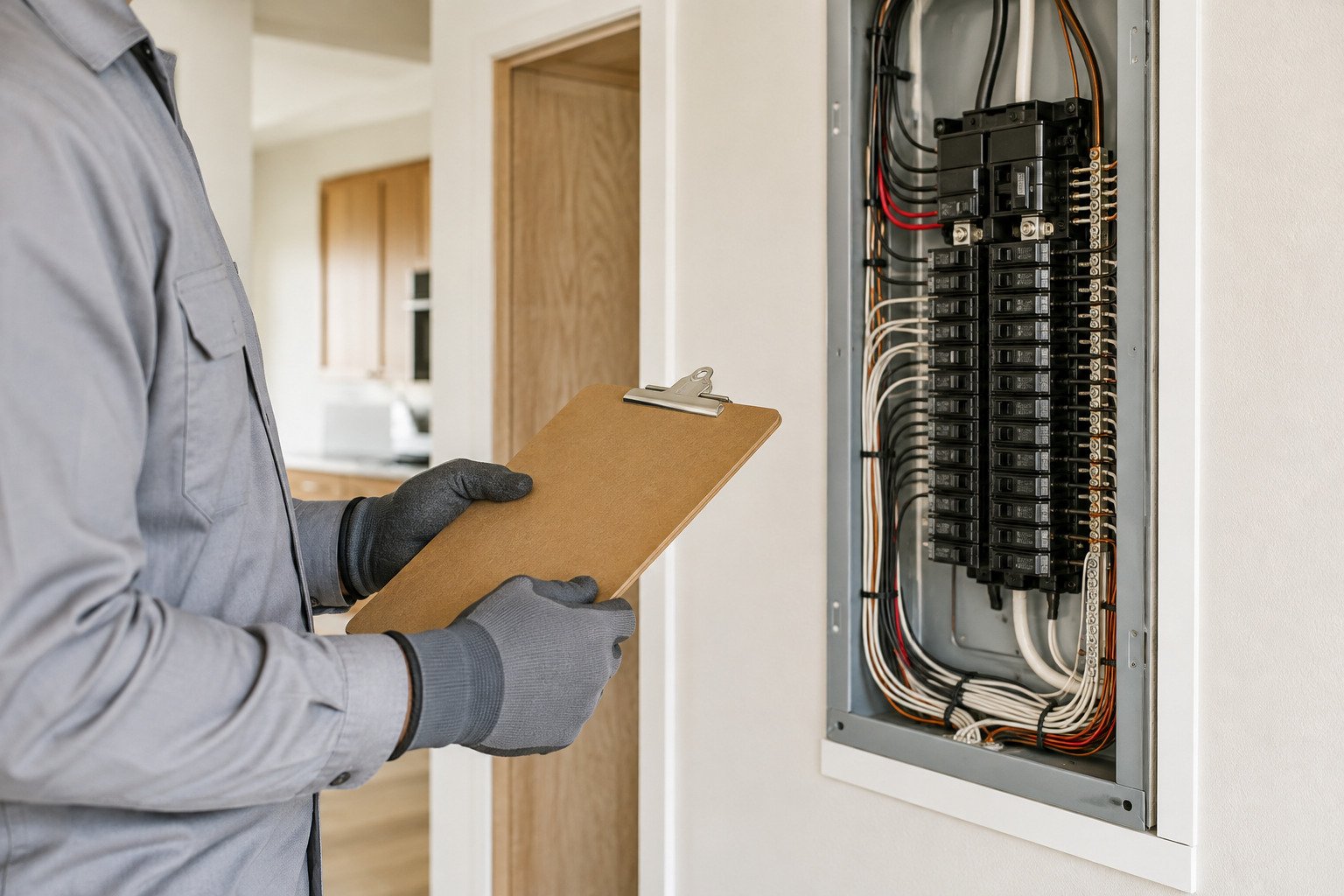
Rewiring and most wiring work require permits and inspection in Cheyenne. Exact requirements depend on the scope of the project.
Electrical work must follow the National Electrical Code and applicable state and local requirements. Wiring work should be completed by a licensed electrician.
We handle the permit and inspection process for your project from start to finish.
Permitted and inspected wiring work gives you a documented record. That record can help later if you sell your home or file an insurance claim.
Commercial & Industrial Wiring
Commercial properties near Dell Range Boulevard and throughout Cheyenne need wiring for new equipment, remodels, and expansions. Older commercial buildings sometimes have wiring that wasn’t built for current loads.
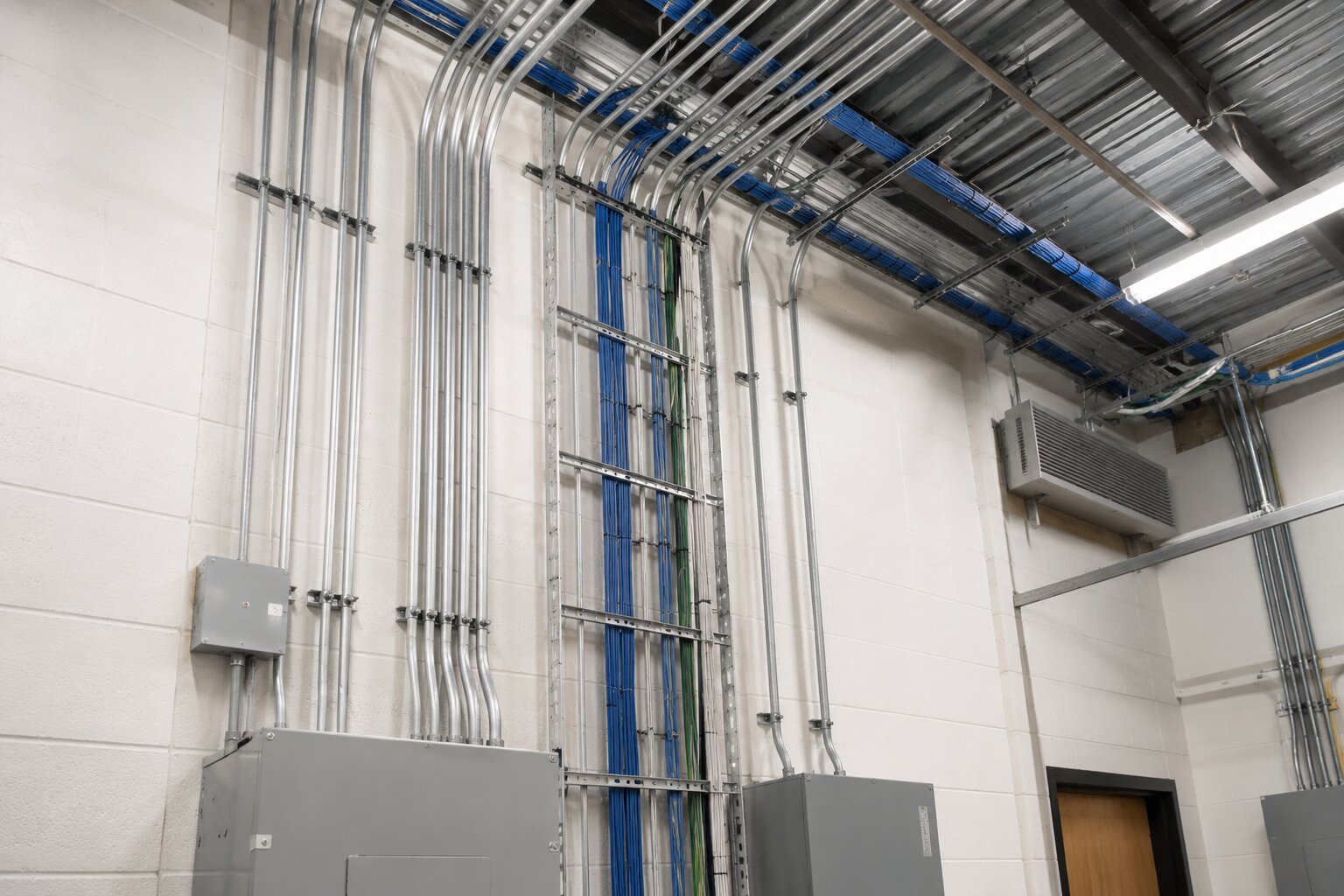
Industrial facilities across Laramie County often need wiring sized for heavy machinery and specific equipment. We size the wiring to match your facility’s actual usage.
Commercial and industrial wiring projects still need the right permits and inspections, just like residential work.
Our Wiring Process
1. Inspection & Assessment
We inspect your current wiring and identify what needs to be replaced or added.
2. Permit
We obtain the required permit before work begins and coordinate the inspection process.
3. Wiring Installation
We run new wiring, connect outlets and switches, and patch access points where needed.
4. Inspection & Sign-Off
The required electrical inspection is completed, and any issues are addressed, before we call the job done.
5. Walkthrough
We explain what was done and answer any questions about your new wiring.
Popular Questions
Answers to the questions Cheyenne homeowners and business owners ask most before hiring an electrician.
Ready to Upgrade Your Wiring?
If your home has old, damaged, or unsafe wiring, we can help. From inspection to installation to the final walkthrough, our electricians handle it all, for homes and businesses from Historic Cheyenne to Saddle Ridge.