Electrical Panel Upgrades In Cheyenne, WY
Your electrical panel controls power to every outlet, light, and appliance in your home. When it can’t keep up with modern demand, it shows up as tripped breakers, flickering lights, or a panel that’s simply too old to trust. Electricians Cheyenne provides professional electrical panel upgrades for homes and businesses across Cheyenne and Laramie County.
What Is an Electrical Panel Upgrade?
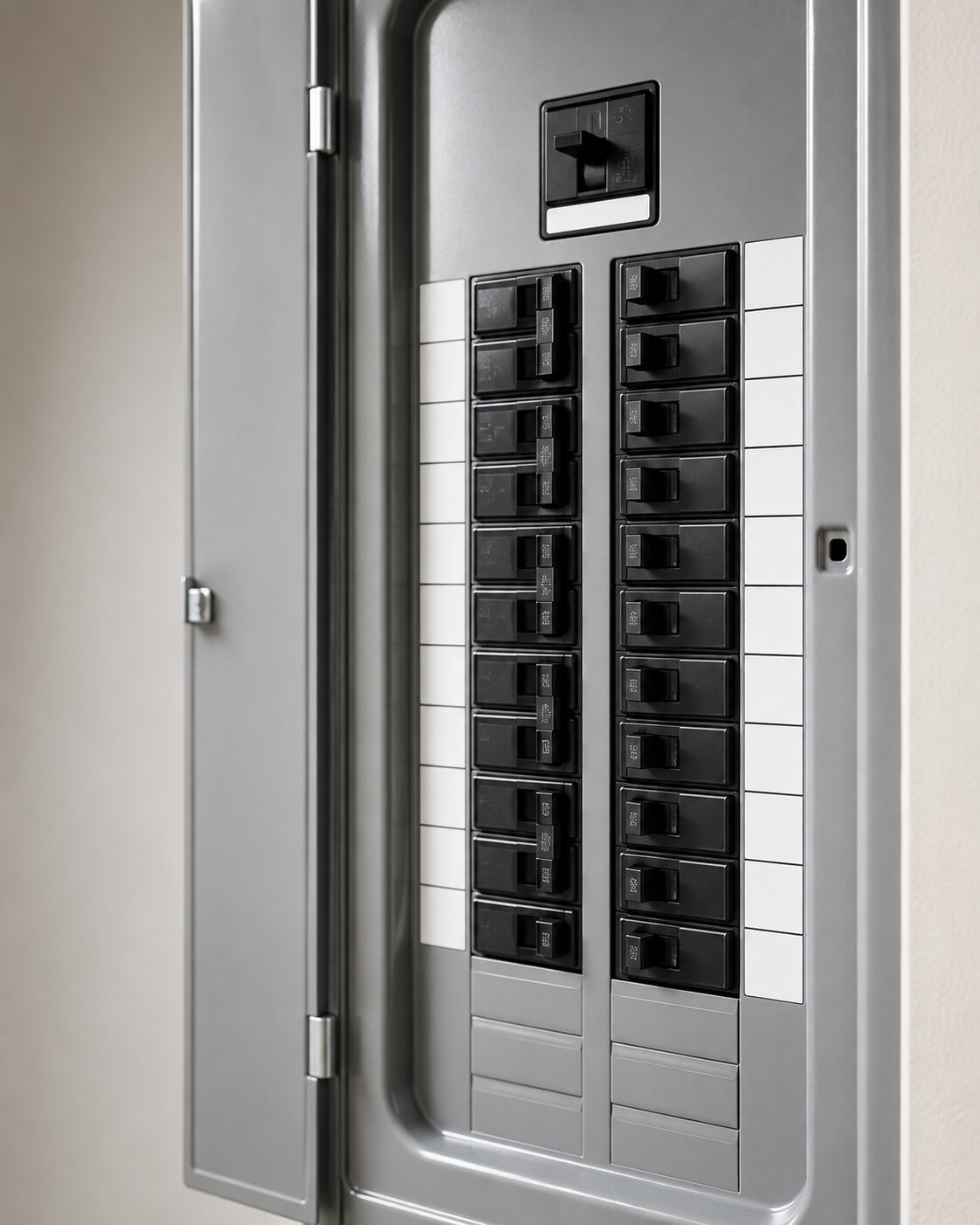
A panel upgrade replaces your home’s electrical panel with one that has more capacity. This usually means moving from a lower amperage, like 60 or 100 amps, to a higher one, like 150 or 200 amps. The new panel handles more circuits and supports higher electrical demand safely.
Panel upgrades are common in homes with an older electrical system that was never built for today’s appliances, electronics, and EV chargers. They’re also common when a homeowner is remodeling, adding square footage, or replacing an aging panel before it fails.
An upgrade is not just a bigger box. It usually involves new breakers, updated wiring connections, proper grounding, and electrical service sized to supply the added capacity.
Signs Your Home Needs a Panel Upgrade
The following signs warrant an electrical inspection. They may indicate an overloaded, damaged, aging, or otherwise problematic electrical system, but an electrician should determine whether a panel upgrade is actually necessary.
- Breakers that trip repeatedly, especially when running multiple appliances
- Flickering or dimming lights when larger appliances turn on
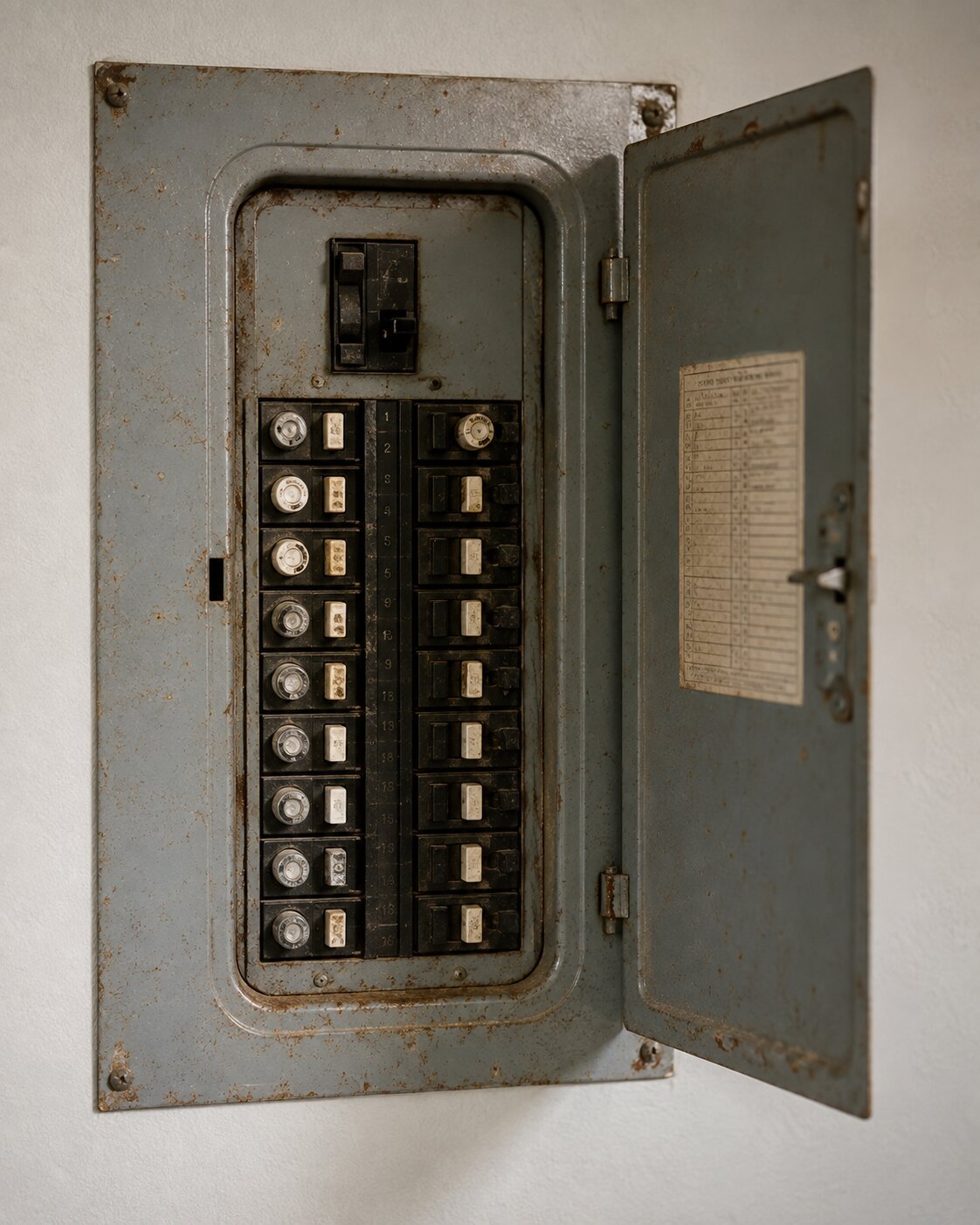
- A panel that still uses fuses instead of breakers
- An older panel, particularly one showing signs of wear, outdated equipment, or insufficient capacity
- Burn marks, discoloration, melted components, or unusual heat around the panel or breakers
- Plans to add an EV charger, hot tub, heat pump, or electric range
- A home addition or major remodel that adds new circuits
- A buzzing or humming sound coming from the panel
If you notice burning smells, smoke, sparking, or other signs of overheating, treat it as an electrical safety issue and call right away, rather than as a future upgrade project.
Residential Electrical Panel Upgrades in Cheyenne
Most panel upgrade calls we get are residential. Homeowners across Cheyenne reach out when their current panel can’t keep up with modern life: more electronics, larger appliances, and added circuits from remodels.
Older homes in Cheyenne may have electrical panels that were installed when homes had much lower electrical demands. A panel built decades ago was never designed for a modern kitchen, a home office full of electronics, or an EV charger in the garage. Upgrading brings the home’s electrical capacity in line with how it’s actually used today.
That said, adding an EV charger or other high-demand appliance doesn’t automatically mean you need a larger panel. An electrician can evaluate your existing service and perform a load calculation to determine whether your current capacity is sufficient or whether an upgrade is actually needed.
Newer homes need upgrades too, usually tied to additions, finished basements, or new high-draw appliances. Whatever the age of the home, the goal is the same: a panel sized correctly for the electrical load it needs to carry.
Panel Upgrade vs. Panel Replacement
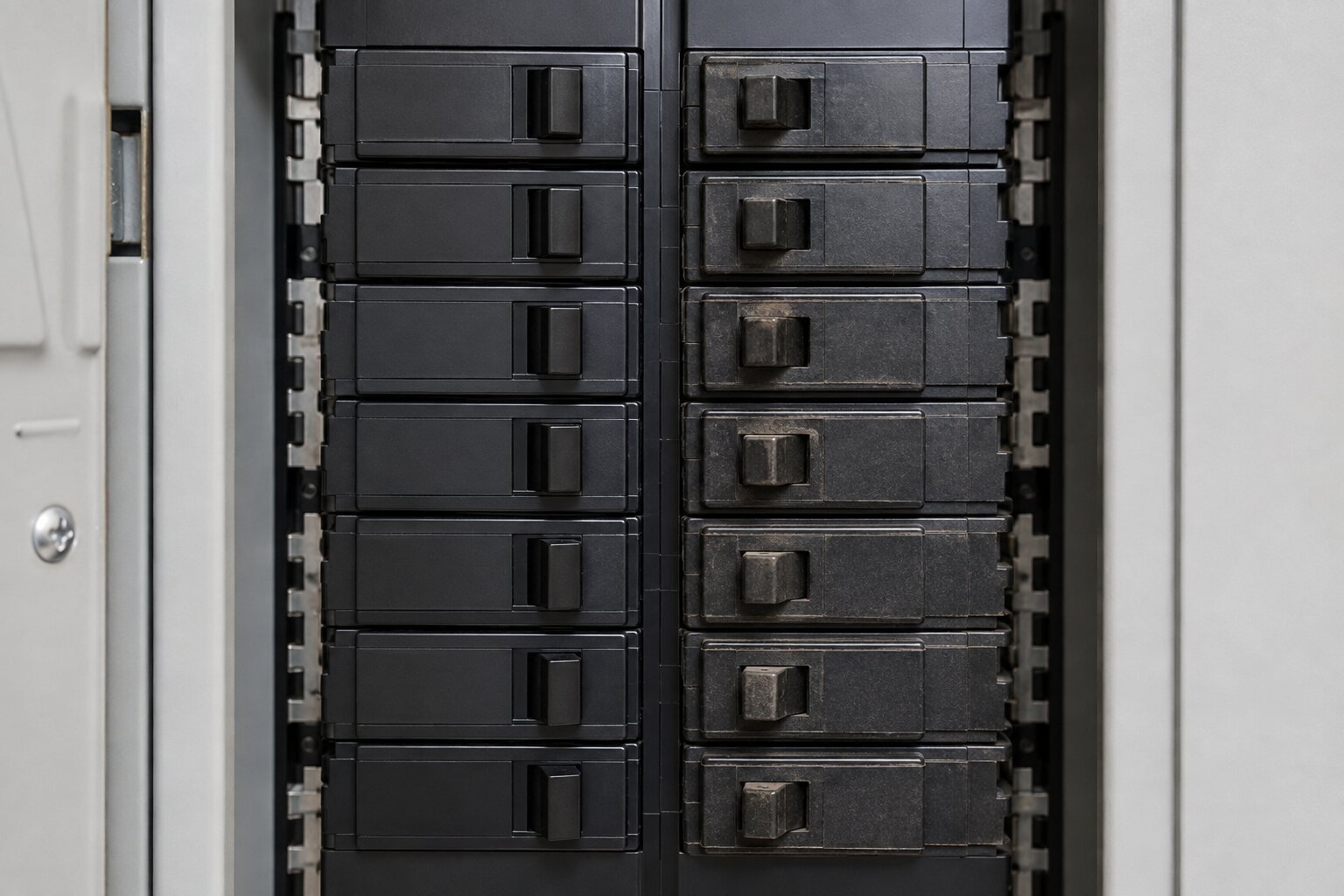
These terms get used interchangeably, but they’re not always the same job.
A panel replacement swaps out the existing panel for a new one of similar capacity. This is common when a panel is damaged, outdated in style, or failing, but the home’s electrical demand hasn’t changed much.
A panel upgrade increases capacity, moving to a higher amperage to support more circuits and higher electrical loads. An upgrade often includes replacing the panel and may also involve upgrading the electrical service supplying it.
Knowing which one you need depends on your current setup and what you’re trying to accomplish. A load calculation during inspection tells us which applies to your home.
100A vs. 200A vs. 400A
The right panel size depends on your home’s electrical load, not simply its age or square footage. A load calculation helps determine whether 100, 200, or 400 amps makes sense for your home.
100-amp panels
are common in older, smaller homes. They may have limited capacity for additional high-demand loads such as EV chargers, central air, or multiple large appliances running at the same time.
200-amp panels
are common in many modern homes and generally support central air, electric ranges, EV chargers, and typical household electronics without strain. Whether 200 amps is right for your home still comes down to your specific electrical load.
400-amp panels
are typically reserved for larger homes, homes with extensive electrical needs, or properties planning for future additions like a shop, guest house, or heavy equipment. Most residential upgrades in Cheyenne don’t need this much capacity.
Cost of Panel Upgrades in Cheyenne
A typical residential panel upgrade may cost around $1,500 to $3,000, but some projects can cost more when service equipment, wiring, the meter, or other electrical work also needs to be upgraded. Your actual cost depends on several factors:
- Your home’s existing electrical service and panel condition
- The amperage you’re upgrading to
- Whether your electrical service also needs an upgrade
- Panel location and access
- Permit and inspection fees
- Whether additional electrical work is needed, like rewiring or new circuits
A licensed electrician can give you an accurate number after inspecting your panel and current electrical service. We provide a clear, itemized estimate before any work begins, so you know the full cost upfront.
Permits & Cheyenne Code Requirements
Panel upgrades and other electrical service work may require permits and inspection in Cheyenne. The exact permit requirements depend on the scope of the project, and service upgrades may also require coordination with the utility.
Electrical work in Cheyenne must comply with the National Electrical Code and applicable City of Cheyenne requirements. Electrical work should be performed by a properly licensed electrical contractor, and the required permits and inspections should be handled according to the city’s requirements.
Permitted and inspected work gives you a documented record of the electrical work, which can be useful if you sell your home later.
Commercial & Industrial Panel Upgrades
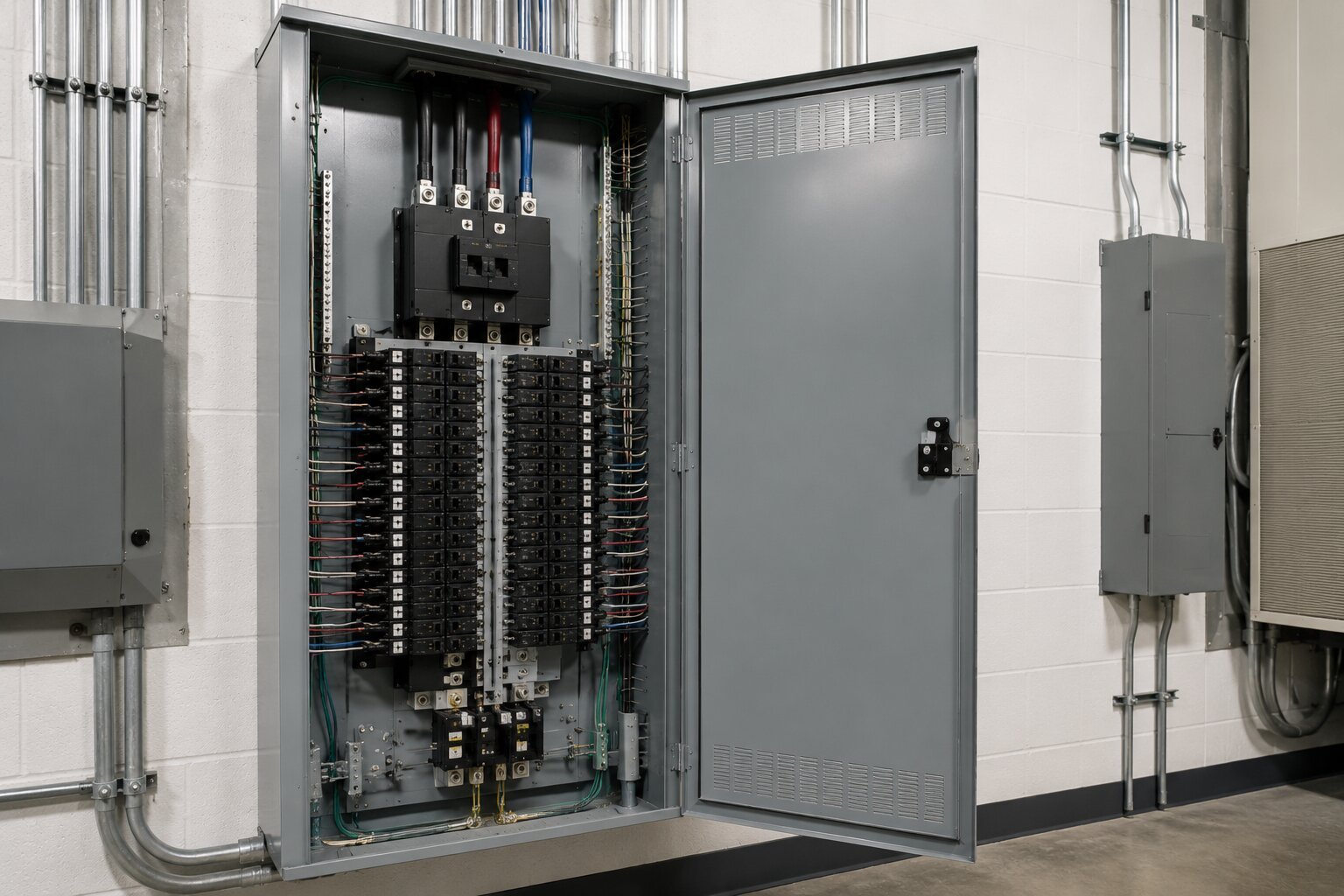
Commercial properties throughout Cheyenne may need panel upgrades when adding equipment, expanding electrical loads, remodeling, or adding new circuits. Older commercial buildings in particular may have panels sized for a previous tenant’s needs rather than current demand.
Industrial facilities may require substantially higher-capacity electrical systems depending on machinery and equipment. As with residential work, the right size comes down to an accurate load calculation for the property’s actual usage.
Commercial and industrial panel upgrades are subject to applicable permitting and inspection requirements, with the electrical system sized according to the property’s equipment and actual usage.
Our Panel Upgrade Process
1. Inspection & Load Calculation
We inspect your current panel and calculate your home’s electrical load, including any planned additions.
2. Permit
The required permit is obtained before work begins, and we coordinate the inspection process.
3. Installation
We install the new panel, breakers, and any necessary service upgrades to code.
4. Inspection & Sign-Off
The completed work is inspected and approved before we consider the job done.
5. Walkthrough
We explain what was done and answer any questions about your new panel.
Popular Questions
Answers to the questions Cheyenne homeowners and business owners ask most before hiring an electrician.
Ready to Upgrade Your Panel?
If your panel is outdated, undersized, or showing warning signs, we can help. Our electricians can help with panel upgrades in Cheyenne, from evaluating your existing electrical service to completing the necessary installation and inspection.