
Generator Installation in Cheyenne, WY
Power outages happen in Cheyenne, especially during winter storms and high winds. A backup generator keeps your lights, heat, and appliances running when the grid goes down. Electricians Cheyenne installs generators for homes, businesses, and industrial sites across the city.
What Is a Home Generator Installation?
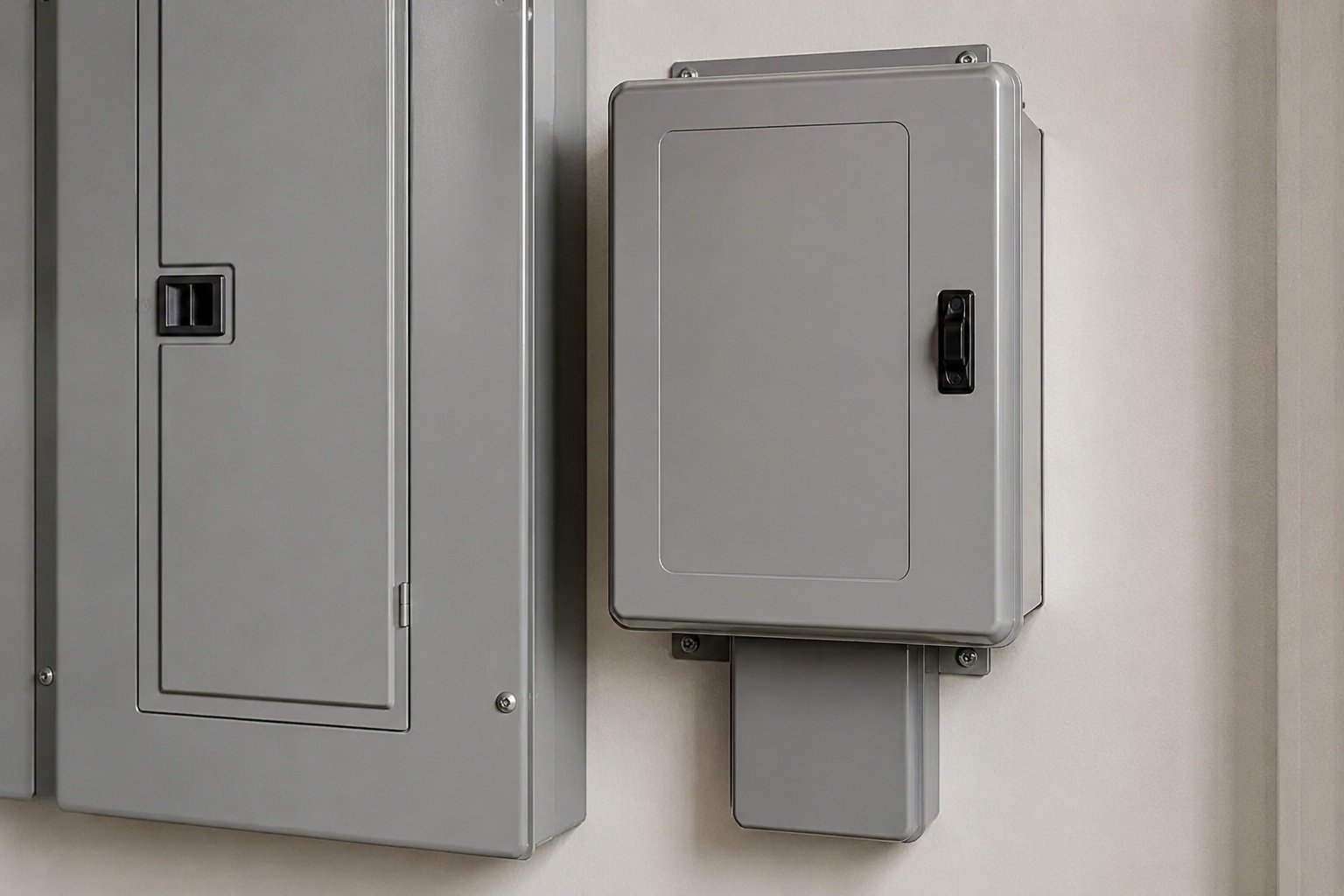
A generator installation is more than dropping off a generator and plugging it in. For a standby system, it includes the generator unit, an automatic transfer switch, and a connection to your home’s electrical panel.
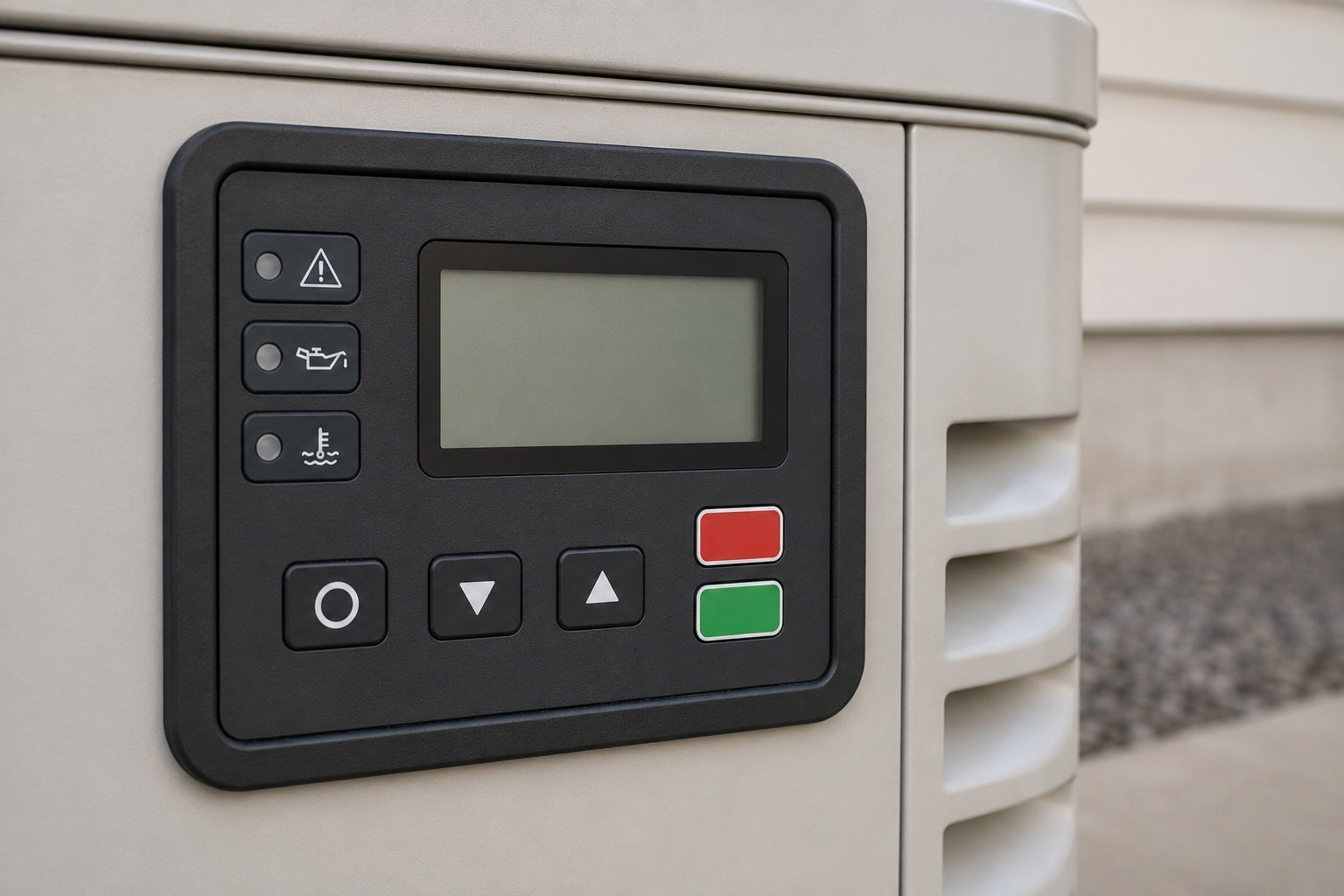
The automatic transfer switch detects an outage and switches your home to generator power, usually within seconds. You don’t have to do anything.
For natural-gas or propane-powered standby generators, installation also involves running a fuel line from your gas meter or propane tank to the unit.
When a Backup Generator Makes Sense
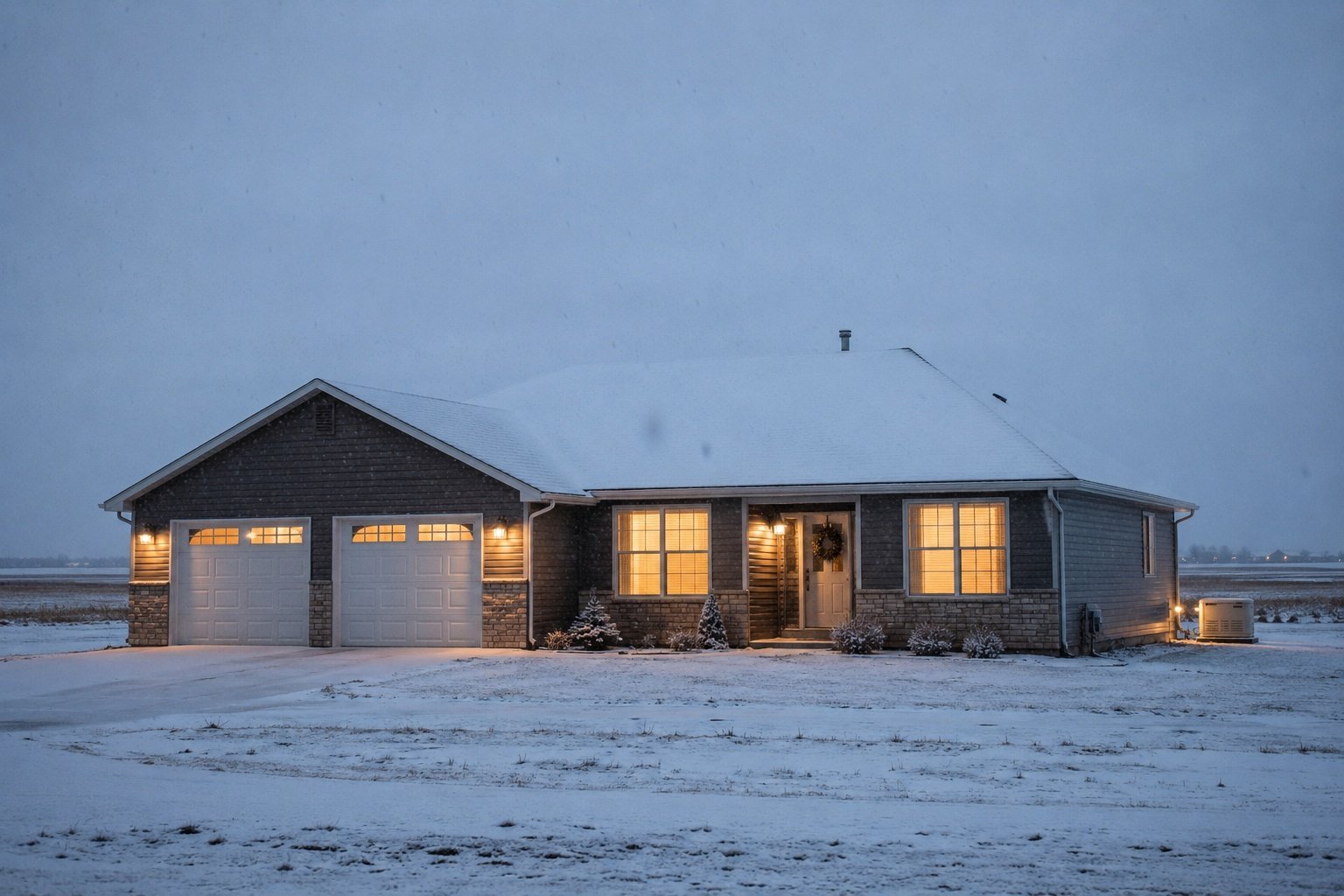
The following situations are good reasons to consider a backup generator. An electrician can help you decide what makes sense for your home.
- Frequent or extended power outages in your area
- Someone in your home relies on medical equipment that needs power
- A sump pump that protects your basement from flooding
- A home office or remote work setup that depends on power
- Concerns about food spoiling in the refrigerator or freezer during an outage
- Extreme winter weather that can knock out power for days
- Plans to work from home during storms without interruption
If you’re in an area with frequent outages, or you simply want peace of mind, a generator is worth exploring.
Portable vs. Standby Generators
Not all generators work the same way. The right choice depends on your budget, your home, and how much power you need.
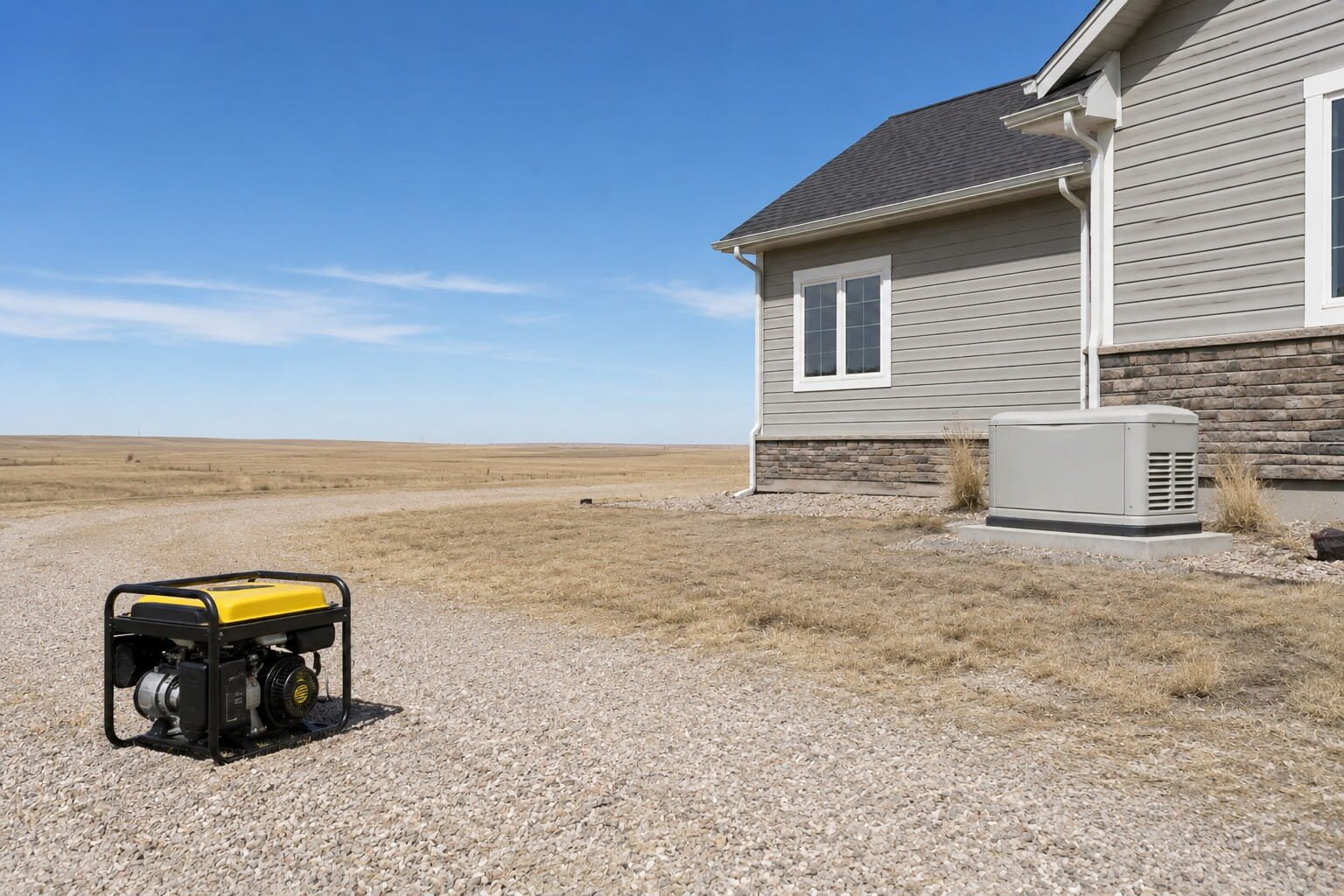
Portable generators cost less upfront, usually a few hundred to a couple thousand dollars for the unit. You start them manually and can power individual appliances with a heavy-duty extension cord. To connect one to your home’s circuits, you need a properly installed transfer switch, never an improvised connection. You refuel them by hand and store them when not in use.
Never connect a generator directly to your home’s wiring without an approved connection method. Improper connections can send power back onto utility lines and injure workers making repairs.
Standby generators cost more, but they run automatically. They’re permanently installed outside your home, with a fuel line and wiring run through a transfer switch. When the power goes out, they usually turn on within seconds, whether you’re home or not.
If you want automatic power during longer outages, a standby system may be worth the extra cost. That’s especially true if you don’t want to start a generator yourself. If you only need occasional backup for a few essentials, a portable generator may be enough.
Residential Generator Installation in Cheyenne
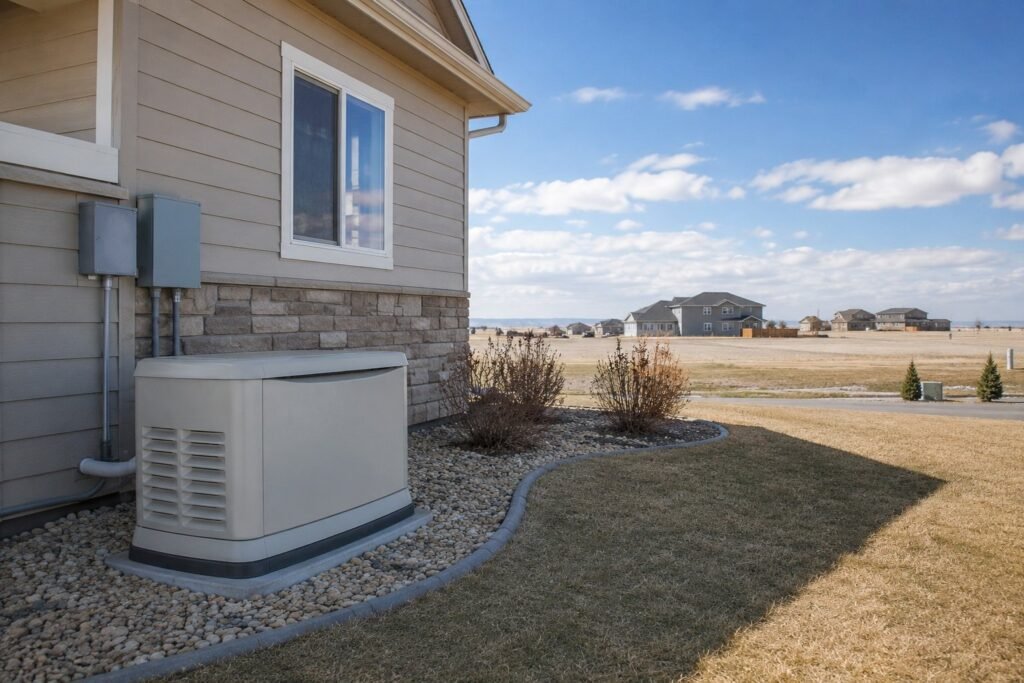
Cheyenne’s winters bring high winds and heavy snow, both common causes of power outages. Homeowners from Historic Cheyenne to Saddle Ridge install generators to keep their homes running when the grid goes down.
Older homes near the South Side Historic District and Rainsford often don’t have an existing generator connection. We can evaluate your electrical system and add one, usually without major changes.
Newer homes in areas like Western Hills often have panel capacity ready for a generator hookup. That can make installation faster and simpler.
Whatever your home’s age, we size and install a generator that fits your actual power needs.
Natural Gas vs. Propane (LP) Generators
Most standby generators run on natural gas or liquid propane (LP). Each has tradeoffs worth understanding before you choose.
Natural gas generators
connect to your home’s existing gas line, so you never have to refill a tank. As long as gas service continues, you won’t run out of fuel.
Propane generators
run on a tank you keep on your property. They work well for homes without natural gas access. You’ll need to refill the tank periodically.
Neither option is universally better. The right choice depends on what fuel is available at your home and how you want to manage refueling.
Sizing Your Generator
Generator size is measured in kilowatts (kW), and bigger isn’t automatically better.
A generator that’s too small won’t power everything you need during an outage. One that’s too large costs more than necessary and may run inefficiently.
Sizing depends on what you want to keep running. That could mean just the essentials, like your fridge, sump pump, and a few lights. Or it could mean your entire home, including central air and major appliances.
We calculate your home’s actual electrical load before recommending a size, rather than guessing based on square footage alone.
Cost of Generator Installation in Cheyenne
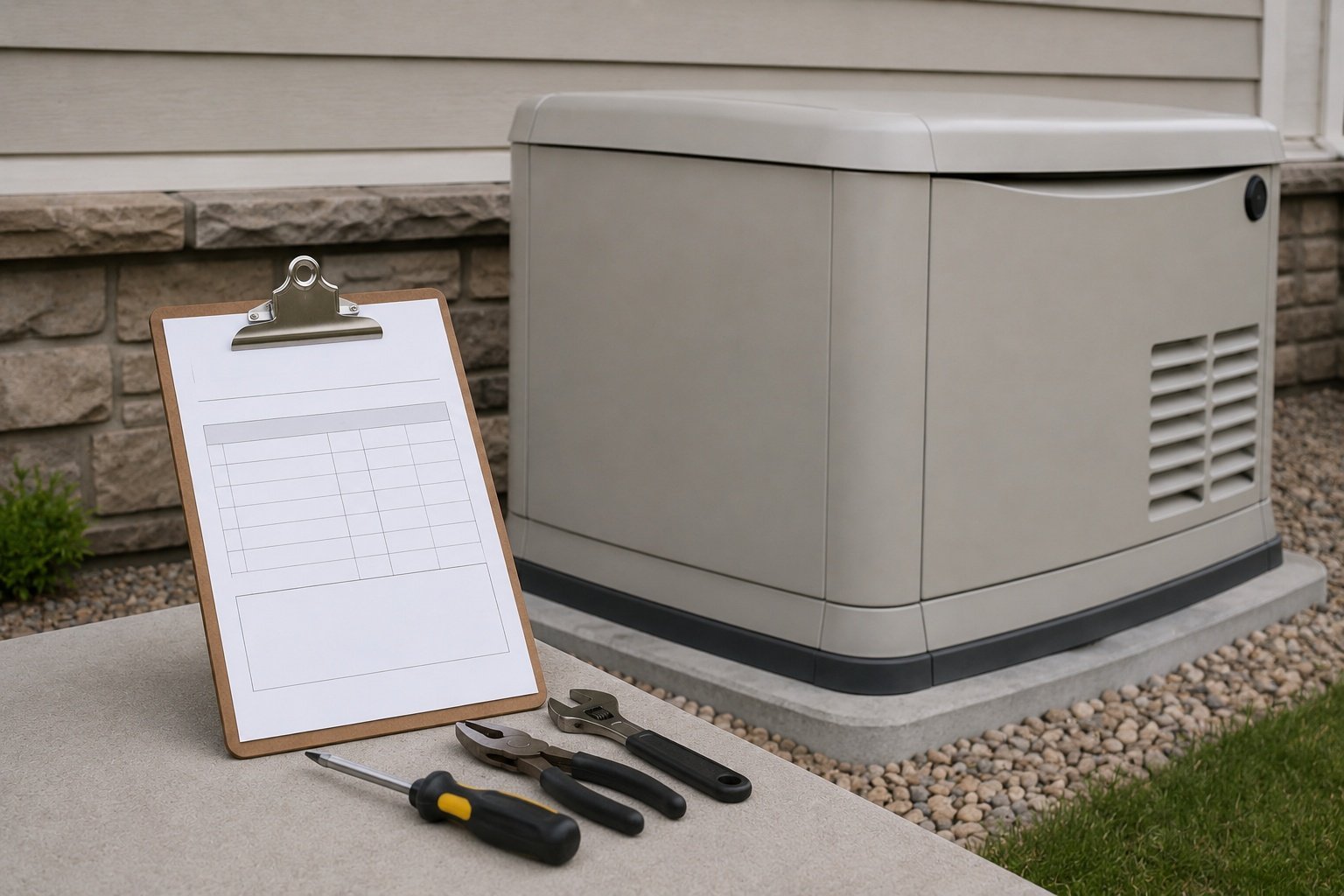
Nationally, portable generators typically cost $500 to $2,500 for the unit, plus installation for a transfer switch. Whole-house standby systems typically run $7,000 to $20,000 fully installed, depending on size and site requirements. Your actual cost depends on several factors:
- Generator size and power output
- Fuel type: natural gas, propane, or diesel
- Distance from the generator to your electrical panel and gas or fuel source
- Whether a new gas line or propane tank is needed
- Site conditions, including the concrete pad and placement requirements
- Permit and inspection fees
A licensed electrician can give you an accurate number after evaluating your home and power needs. We give you a clear, itemized estimate before work begins.
Permits & Requirements
Generator installation in Cheyenne generally requires permits, including electrical and sometimes gas line work. Exact requirements depend on the type of generator and the scope of the project.
Electrical work must follow the National Electrical Code and applicable state and local requirements. Standby generators should be installed by a licensed electrician to avoid serious safety risks.
We handle the permit and inspection process for your project from start to finish.
Commercial & Industrial Generator Installation
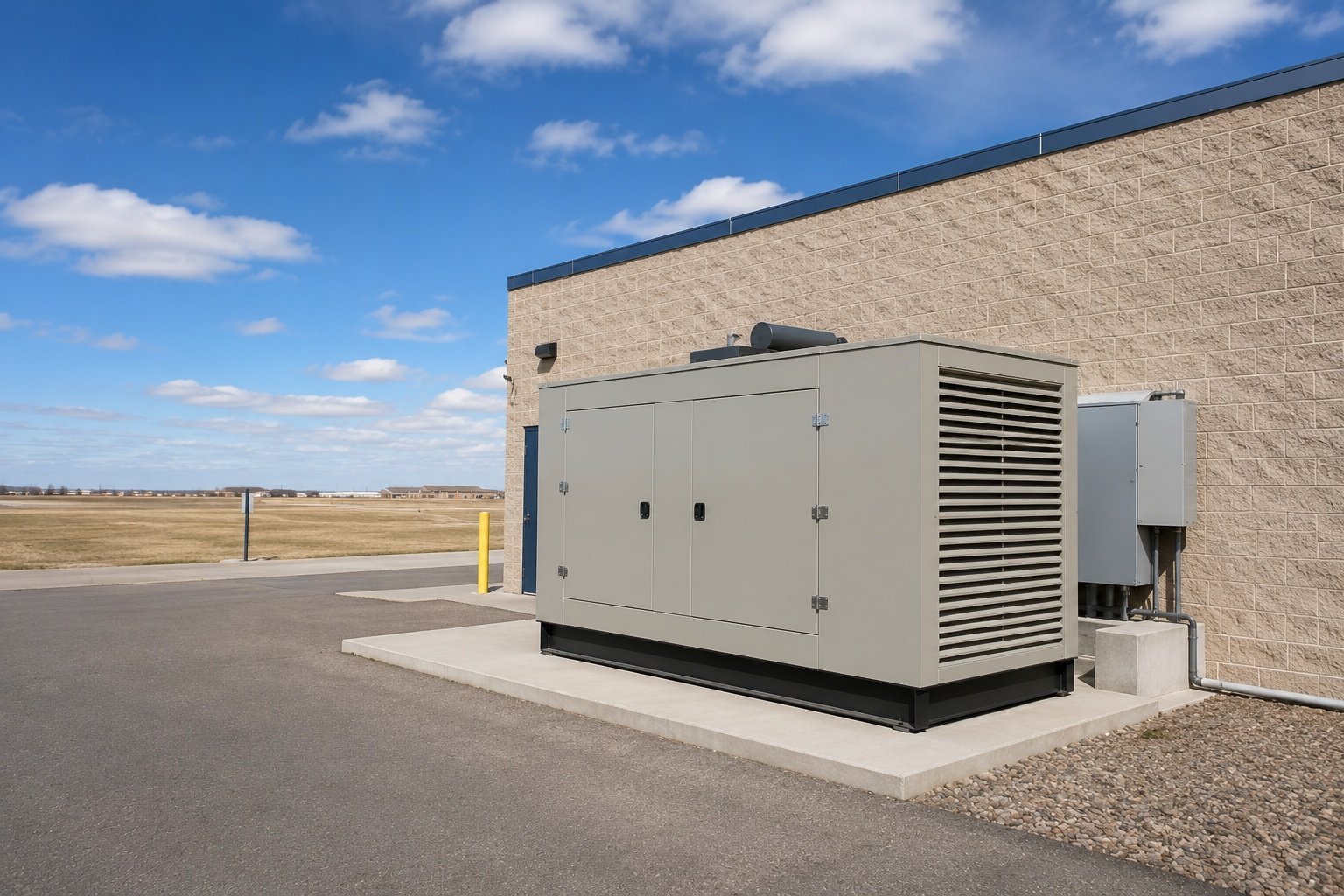
Businesses across Cheyenne, including those near Dell Range Boulevard, install generators to protect against lost revenue during outages. Refrigeration, security systems, and point-of-sale equipment all depend on steady power.
Industrial facilities across Laramie County often need larger generators to keep critical equipment and processes running. The right size depends on your facility’s actual power needs, not a general estimate.
Commercial and industrial generator installations still need the right permits and inspections. We size the system to match your equipment and actual usage.
Our Generator Installation Process
1. Inspection & Load Assessment.
We evaluate your home or facility and calculate the power you need to keep running.
2. Permit
We obtain the required permit before work begins and coordinate the inspection process.
3. Installation
We install the generator, transfer switch, and any necessary gas or electrical connections.
4. Inspection & Sign-Off
The required inspection is completed, and any issues are addressed, before we call the job done.
5. Walkthrough
We show you how your new generator works and answer any questions.
Popular Questions
Answers to the questions Cheyenne homeowners and business owners ask most before hiring an electrician.
Ready to Install a Backup Generator?
If you’re tired of losing power during Cheyenne storms, we can help. From sizing to installation to the final inspection, our electricians handle it all, for homes and businesses from Historic Cheyenne to Saddle Ridge.